As Halloween approaches, creatures of the night are reanimating themselves to return to life. The history of the undead crawling out of their graves is a painful one. However, if the legend of these revenants’ returns has anything to teach us - it must be learned out of respect for these corporeal corpses to finally find their way home.
The mythos of the Zombie begins in West Africa. The Congolese word for god (nzambi) or even ghost (mvumbi) is its antecedent. In local lore, there were bodies that roamed the earth at night whose souls never went to the firmament. As these cultures combined with the Voodoo legends of newly manumitted Haiti in the early 1800s, these wandering souls took on a deeper societal meaning as slaves who committed suicide rather than continue in that horrible peril on this mortal coil. These souls were waiting to be taken to the verdant, placid afterlife of Lan Guinee.
The Zombie next lived as a facet of the Voodoo culture of Haiti. Out of fear, the new nation was portrayed as wild and deeply superstitious. In 1819, while documenting the history of Brazil, Robert Southey wrote about "zombi" as a "chieftain who maintains justice." Southey falsely translated this word to mean "devil" (a correction was made in the text by his brother-in-law Samuel Taylor Coleridge.)
In the 1838 story "The Unknown Painter: Murillo's Pupil" by an anonymous author, "Zombi" is used to describe a "helper" who comes into the Spanish painter Bartolome Esteban Murillo's studio to paint at night. This "Zombi" story was rewritten and reprinted throughout the rest of the 1800s. From this time forward, "zombi" would be synonymous with "one of African descent who unknowingly helps."
In 1915, the United States tried to modernize Haiti. They tried unsuccessfully to stamp out Voodoo, where its mythos was brought back to the States in the 1920s. As Science Fiction stories branched out from mere ghost stories, the undead would emerge from their grave in a most spine-chilling manner for readers - but also, carry with them their reason for doing so was revenge upon the living person who put them there. In 1929, reporter W.B. Seabrook's "The Magic Island" was his travelogue of trips to Haiti. The overt fascination readers found in his description of the voodoo cults there led to the film "White Zombie" in 1932.
Monsters and the undead gave audiences in theaters and on the page quite a fright during the next 30 years. In 1938's Zora Neale Hurston visited Haiti to become a Voodoo priestess. Hurston was a trained anthropologist and had grown up around the African-American variation of Voodoo - "Hoodoo." In her book "Tell My Horse," Hurston met the undead Felicia Felix-Mentor. Hurston heard Mentor and even managed to take a photograph of her. Most importantly, Hurston left Haiti knowing that these zombies were "a symbol of loss and dispossession for all humans."
So the zombie was now one to be sympathetic toward. 1954's "I Am Legend" by the great writer Richard Matheson dealt with the sole survivor of a worldwide pandemic fighting off vampires - who were really zombies trying to survive in a post-apocalyptic world. Now that zombies were victims of a scientific world losing control, "the germ theory" of their stories would grow right next to McCarthyism, Communism and all of the 20th Century's most existential fears.
The EC Comics of the 1950's would influence 1968's "Night of the Living Dead" by George A. Romero. His "Dead" series of films would influence filmmakers from all over the world to keep making Zombie movies. That outbreak of films would spawn an entire subgenre of Zombie novels in Science Fiction beginning around 1975 with the publication of the "Illuminatus!" trilogy from Robert Shea and Robert Anton Wilson (who wrote most of it between 1969-1971.)
Today, the Zombie is a part of the common culture. Its troubled history still hangs in the balance, however mostly the being is "devoid of life." In comedies, satires, and dramas, the Zombie has taken on so many forms that it is hard to tell who is or is not one at times. With the undead supposedly being everywhere, zombies are a reminder that we can never forget the past and always live in hope that we will never join them as a lost soul on the endless undead march across the earth.
Mik Davis is the record store manager at T-Bones Records & Cafe in Hattiesburg.
NEW MUSIC FOR THE WEEK
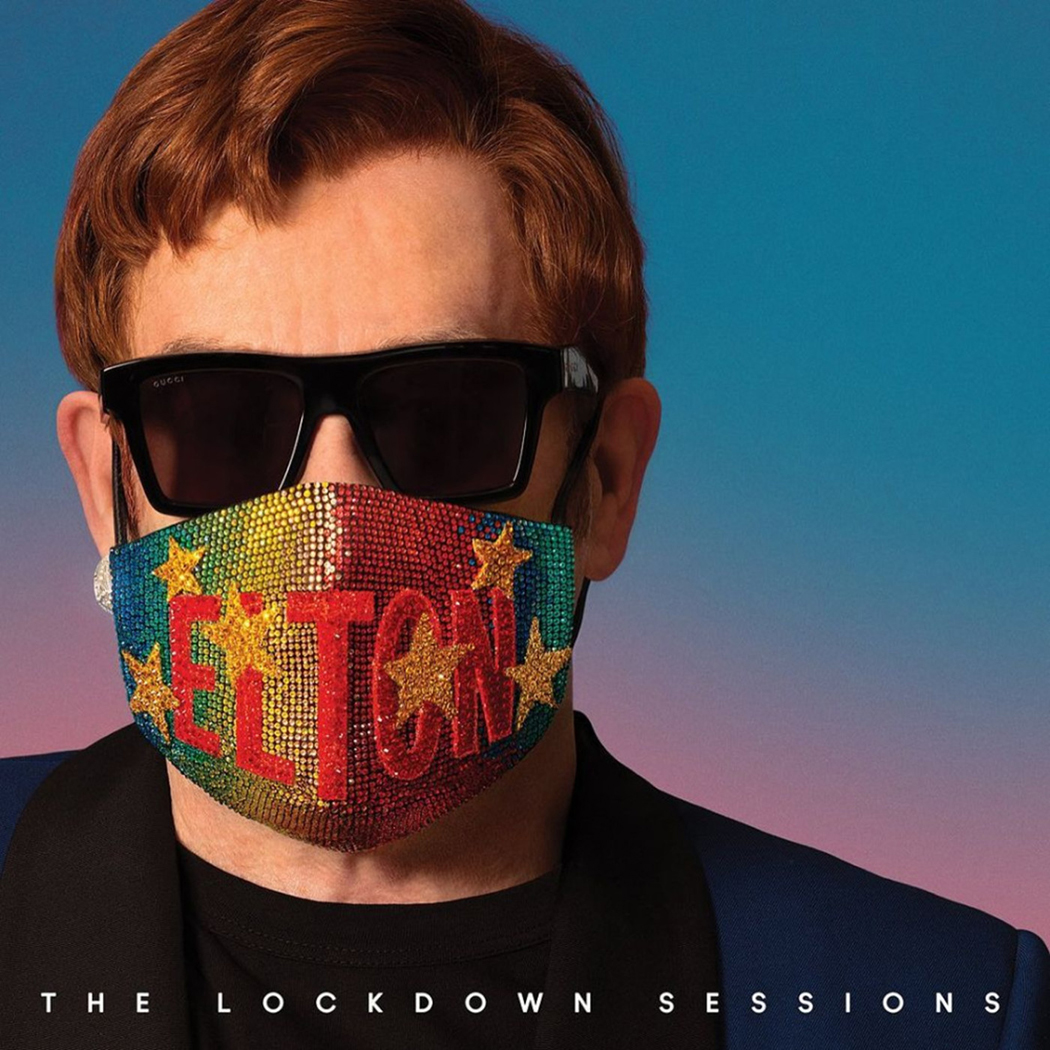
ELTON JOHN - The Lockdown Sessions
[LP/CD](Interscope)
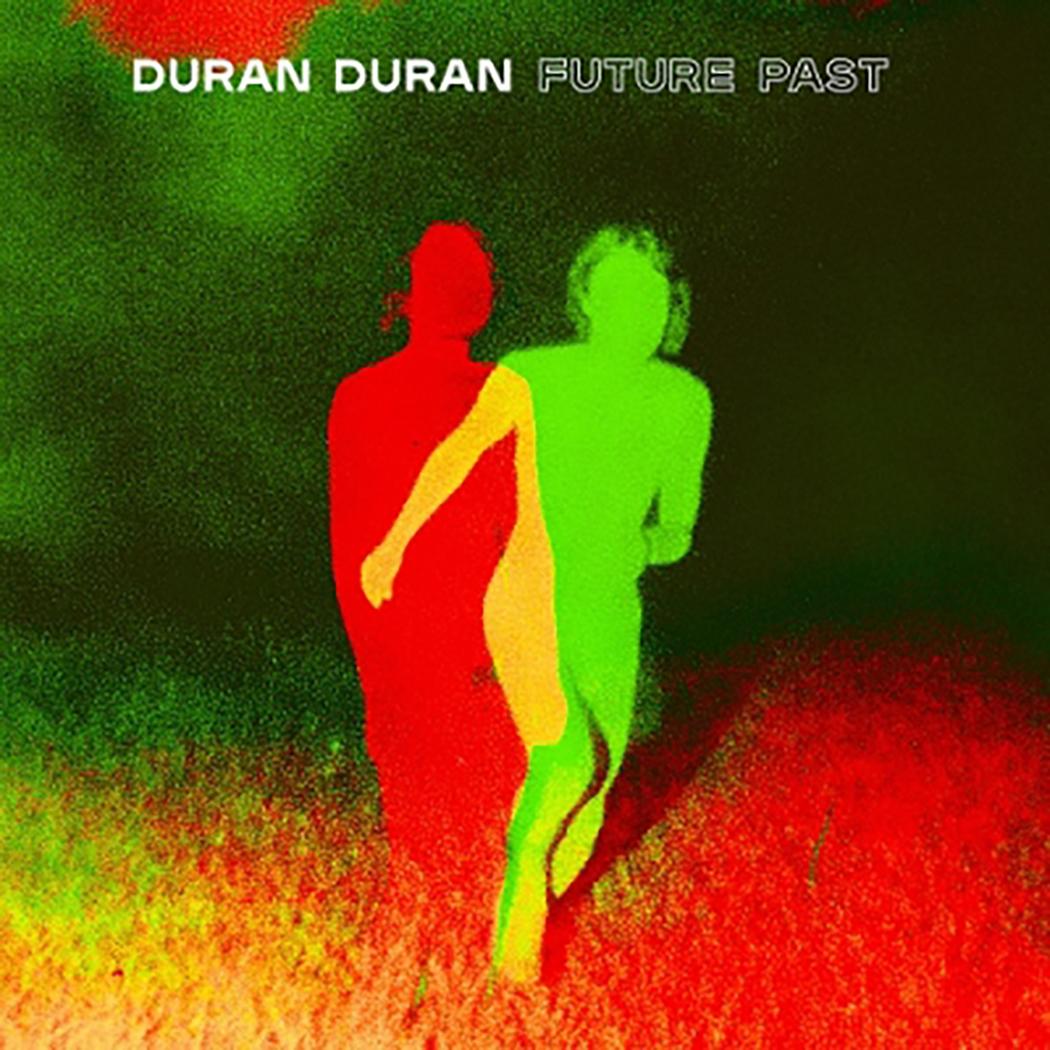
DURAN DURAN - FUTURE PAST
[LP/CD](Capitol)
Here are two artists going into the greying of their music with one thing on their minds: trying their best to sound modern and relevant. Sir Elton continues his victory lap with a collection of collaborations. Honestly, at this juncture, he could do no wrong. That comfort translates into a set of duets with the hottest artists and those he admires. For example, when Elton and Dua Lipa go cosmic on the danceable "Cold Love" - she gets to sing the hook from "Rocket Man." It's as if he knows he still has more to give. He gets soulful both old ("Finish Line" with Stevie Wonder) and new (the helium voice of Charlie Puth on "After All.") However, with those he clearly has an interest in, Elton shines lifting Rina Sawayawa (singing her own song "Chosen Family") and backing up on piano Lil Nas X at his most honest ("One of Me.") Like an award-winning actor, "Lockdown" is largely about Elton just doing what he wants on the way out.
Duran Duran has a lengthy history of collaboration. John Frusciante played on their last album (2015's "Paper Gods") and their New Romantic heyday grew into funk thanks to Nile Rodgers. "FUTURE PAST" reunites the band with Mark Ronson for that ongoing search for a hit. So Ronson brings the best supporting cast a 40-year old band could ask for: Graham Coxon of Blur, Tove Lo, Lykke Li, the legendary pianist Mike Garson from David Bowie's 1970s band, and producer Giorgio Moroder. "FUTURE PAST" is largely a callback to their MTV days. The synthy, burbling, dystopia of "Invisible" falls between the overt wham of "The Wild Boys" and the subversive oomph of "Notorious." The surprise City Pop (with CHAI) of "More Joy!" is a surprise, while the 1985 Frankie Goes To Hollywood-thrust of "Anniversary" poses the best chance at a breakout single. Still, while it is nice to hear they are hungry to be involved again, this one is more about PAST than FUTURE.
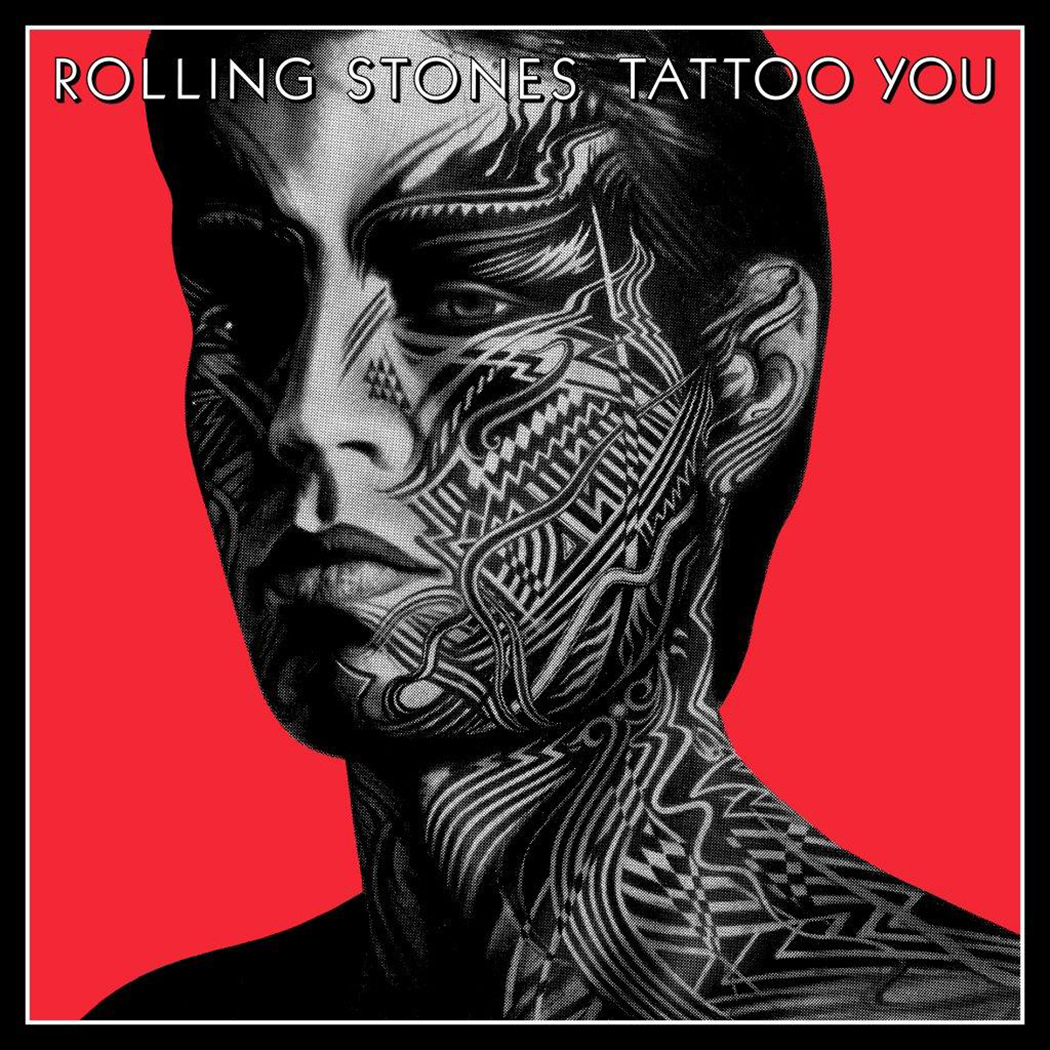
THE ROLLING STONES - Tattoo You 40th Anniversary Edition
[LP/2LP/SUPER DLX](Polydor/UME)
The single most important fact to know about "Tattoo You" is that it almost was not an album. In fact, its greatest song, "Start Me Up," almost was not a song. But we will get to that.
In 1980, the Stones were having difficulty setting up writing/recording sessions and working around a busy touring schedule from their previous chart-topping album "Emotional Rescue." The fact was they actually recorded far more songs for "Rescue" than the 10 they used. So the band and their producers used those incomplete cuts as a starting point for their new album. Chris Kimsey (who had been with the Stones since 1971) spent three months digging in their vaults and compiling the greatest "lost" tracks. Most were outtakes. Some were missing parts. Most were missing vocals. After hearing the selections, the Stones dove into "Tattoo You" devoting one side to rockers and one side to ballads. For example, "Tops" and "Waiting On A Friend" went all the way back to 1973's "Goats Head Soup" sessions (with a sax overdub from the great Sonny Rollins, the latter would become a hit.)
During the fruitful but tense sessions for "Some Girls" in 1978, the Stones were working on a reggae-tinged number called "Never Stop." They rolled tape. The band played it way too fast. Keith Richards demanded that Kimsey erase that take so that no one would ever hear it again. Three years later, that song would become the Stones biggest hit single ever and plant "Tattoo You" on the top of the charts for nine straight weeks. "Start Me Up" remains a staple as it was on their setlist on Oct.14th in California.
This new edition lets the '81 Stones paint in even broader strokes with nine extra songs and a 2LP set from Wembley Stadium in 1981. "Tattoo You" remains a favorite Stones album because it is a successful look back at their past as it hints at the future.


